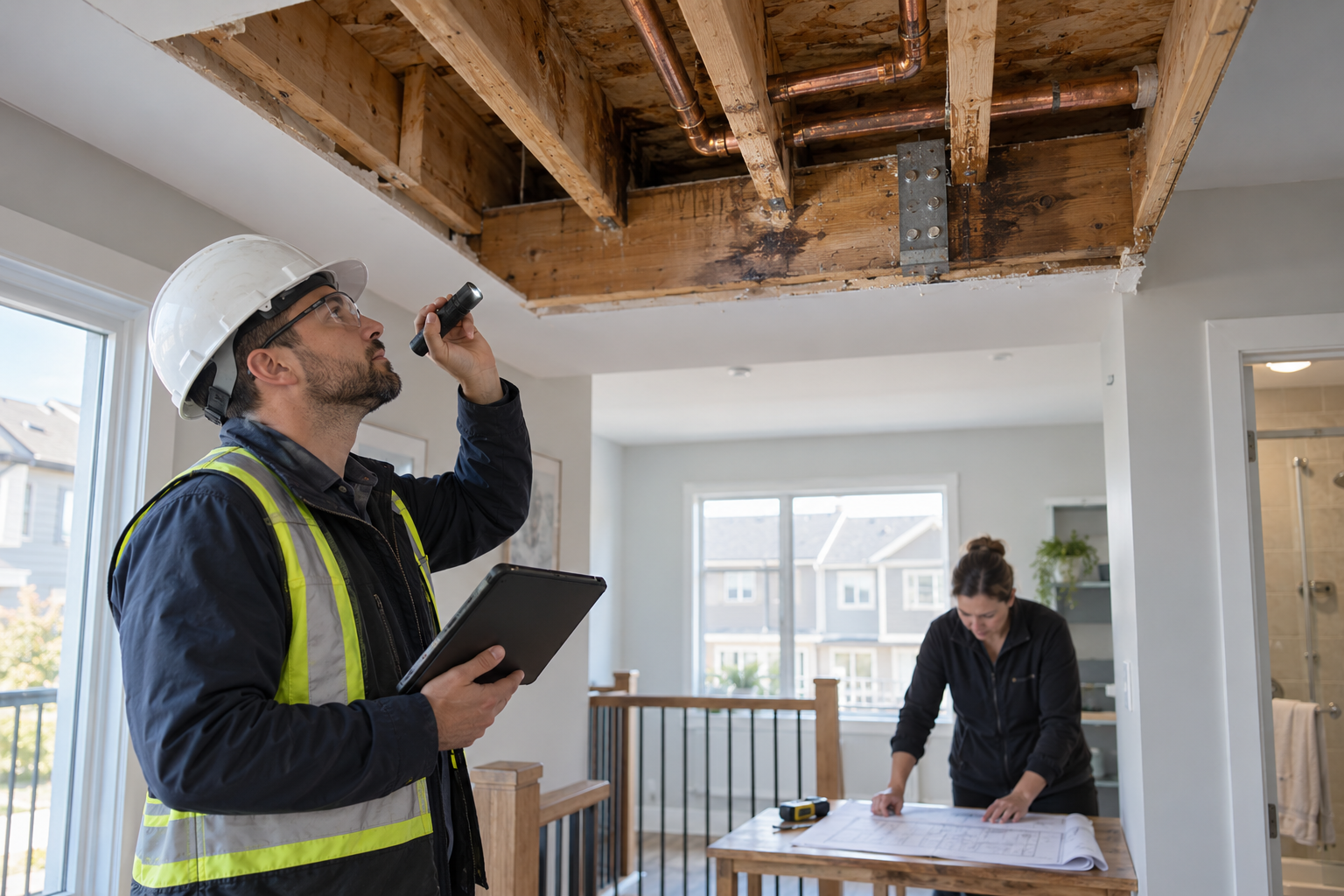

How to Find the Right Structural Engineer for Your Home Project
Hiring the right structural engineer can make the difference between a home project that moves smoothly through design, permitting, and construction and one that becomes delayed, expensive, or difficult to approve.
Whether you are removing a load-bearing wall, building an addition, repairing a foundation, installing a new beam, renovating a basement, constructing a deck, or dealing with structural concerns in an existing home, the engineer you hire plays an important role in making sure the work is safe and properly designed.
The challenge is knowing what to look for.
Not every structural engineer focuses on residential projects, and not every residential engineer has experience with the type of work you are planning. This guide explains how to find the right structural engineer for your home project and what you should consider before hiring one.
Start With the Type of Project You Are Planning
The first step is understanding exactly what you need an engineer to help with.
Residential structural engineers can assist with many different types of projects, including:
- Load-bearing wall removal
- Beam and column design
- Foundation inspections and repairs
- Basement renovations
- Home additions
- Second-storey additions
- Decks and balconies
- Garage modifications
- Structural openings
- Roof modifications
- Floor reinforcement
- Retaining walls
- Structural damage assessments
- Renovation drawings
- Permit drawings
- Structural inspections
- Cracked or shifting foundations
An engineer who regularly designs beams for residential renovations may be a better choice for a wall removal project than an engineer whose work is primarily focused on commercial buildings or large industrial structures.
Before contacting an engineer, prepare a short description of what you want to do.
For example:
"We would like to remove the wall between our kitchen and living room and need to determine whether it is load bearing and what type of beam would be required."
That immediately gives the engineer enough information to determine whether your project falls within their area of expertise.
Look for Residential Structural Engineering Experience
Structural engineering is a broad profession.
Some engineers specialize in:
- High-rise buildings
- Commercial construction
- Bridges
- Industrial facilities
- Civil infrastructure
- Institutional buildings
- Residential construction
For a home renovation or residential structural problem, you generally want someone who regularly works with houses.
Residential structures often present unique challenges.
An engineer may need to work with existing wood framing, unfinished basements, older foundations, renovations completed by previous owners, limited access to framing, or unusual construction methods.
Someone who regularly works on homes will typically be better equipped to identify practical solutions that contractors can actually build.
Make Sure the Engineer Is Properly Licensed
Structural work can affect the safety of your home, so professional credentials matter.
Depending on where you live, structural engineering services may need to be performed or reviewed by a licensed professional engineer.
Before hiring someone, confirm that the engineer is properly licensed to practise engineering in your province, state, or jurisdiction.
You should also confirm that the engineer can provide signed or stamped drawings when required.
This is particularly important if you are submitting drawings to a municipality as part of a building permit application.
Ask About Experience With Your Municipality
Local experience can be helpful when your project requires a building permit.
Different municipalities may have slightly different submission expectations, drawing requirements, review processes, or documentation standards.
An engineer who regularly works in your municipality may already understand what local building officials expect to see.
For example, a permit submission involving a load-bearing wall removal may require:
- Existing floor plans
- Proposed floor plans
- Structural beam specifications
- Column details
- Connection details
- Foundation or footing details
- Engineering calculations
- Signed or stamped structural drawings
An engineer who is familiar with the local permitting process can often prepare the required information more efficiently.
Ask Whether They Handle Projects Like Yours Regularly
One of the best questions you can ask is simple:
How often do you work on projects like mine?
If you are removing a load-bearing wall, ask whether they frequently design replacement beams.
If you have foundation cracks, ask whether they regularly inspect residential foundations.
If you are planning a second-floor addition, ask about their experience assessing existing framing and foundations for additional loads.
Experience with similar projects helps an engineer quickly recognize common problems and identify practical solutions.
Understand What Services Are Included
Structural engineering proposals can vary significantly.
Before comparing prices, make sure you understand exactly what each engineer is offering.
A structural engineering service could include some or all of the following:
- Site visit
- Structural inspection
- Measurements
- Engineering calculations
- Structural drawings
- Permit-ready drawings
- Beam sizing
- Column sizing
- Connection details
- Foundation design
- Engineering letter
- Engineer's stamp
- Revisions
- Contractor coordination
- Municipality responses
- Construction inspections
Two engineering quotes may appear very different in price simply because one includes considerably more work.
Always compare the scope of services rather than only comparing the total price.
Ask What the Final Deliverables Will Be
Before hiring an engineer, ask what you will receive when the work is complete.
Depending on the project, the deliverables might include:
- A structural assessment
- An engineering letter
- Structural drawings
- Permit drawings
- Beam specifications
- Foundation repair details
- Construction details
- Signed and sealed engineering documents
For projects requiring permits, confirm that the documents will be suitable for submission to your local building department.
You should also determine whether revisions requested by the municipality are included.
Choose an Engineer Who Communicates Clearly
Engineering can become technical very quickly.
A good residential structural engineer should be able to explain the problem and proposed solution in a way that homeowners and contractors can understand.
You should feel comfortable asking questions such as:
- Why is this beam size required?
- Does the foundation need reinforcement?
- Can this wall be removed completely?
- Are there alternative structural solutions?
- Will additional posts be required?
- Will the basement footing need to be enlarged?
- Will the proposed work require a permit?
- Are there any concerns with the existing structure?
Clear communication becomes especially important when engineers, contractors, architects, designers, and homeowners are all involved in the same project.
Ask How Quickly They Can Complete the Work
Project timing can matter, particularly if your contractor is waiting to start construction.
Ask about the expected turnaround time before hiring the engineer.
Some projects may only require a site inspection and engineering letter, while others require drawings, calculations, revisions, and coordination with other professionals.
Make sure the engineer understands your construction schedule and any permit deadlines.
At the same time, avoid choosing an engineer solely because they promise the fastest turnaround. Structural engineering requires careful review and accurate calculations.
Look for Practical Engineering Solutions
The strongest engineering solution is not always the largest or most expensive option.
A good residential engineer considers both structural performance and constructability.
For example, when removing a load-bearing wall, several solutions may be possible:
- Flush beam
- Dropped beam
- Steel beam
- Engineered wood beam
- Multiple LVL beams
- Additional posts
- Modified framing layout
Each option may have different implications for cost, ceiling height, construction difficulty, and foundation loads.
An experienced engineer should consider the entire load path and help determine which approach makes the most sense for your home.
Understand the Importance of the Load Path
Structural engineering is not simply about choosing the correct beam.
The engineer must determine how loads travel through the building.
For example, a beam supporting the second floor may transfer loads into columns. Those columns may transfer loads into the basement. The basement may then require appropriate footings or foundation support.
Installing a large beam without verifying the supporting structure below it can create new structural problems.
A qualified engineer will look beyond the immediate area of the renovation and evaluate how the proposed changes affect the overall structure.
Do Not Choose Based on Price Alone
Price matters, but the cheapest engineering quote is not always the best value.
Structural engineering represents a relatively small portion of many renovation budgets, but engineering mistakes can become extremely expensive.
Incorrect or incomplete structural design can result in:
- Permit delays
- Construction delays
- Change orders
- Additional material costs
- Cracking
- Floor movement
- Structural settlement
- Failed inspections
- Required reconstruction
When comparing engineers, consider experience, communication, scope of work, credentials, turnaround time, and deliverables alongside price.
Ask About Coordination With Your Contractor
Your structural engineer and contractor may need to communicate during construction.
Once walls or ceilings are opened, previously hidden conditions may become visible.
For example, the contractor may discover:
- Unexpected framing
- Plumbing inside a proposed beam location
- HVAC ducts
- Electrical wiring
- Damaged framing
- Previous renovations
- Different joist directions
- Inadequate foundations
When this happens, the engineer may need to modify the design.
Hiring an engineer who is responsive to contractor questions can prevent unnecessary delays during construction.
Watch for Warning Signs
There are several potential warning signs when choosing a structural engineer.
Be cautious if someone:
- Cannot clearly explain their engineering credentials
- Has little residential experience
- Provides an unusually low quote without defining the scope
- Will not provide written deliverables
- Cannot provide stamped drawings when required
- Does not ask questions about the existing structure
- Sizes structural members without understanding what supports them
- Does not consider foundations or load paths
- Is difficult to reach before the project even begins
A professional engineering process should feel organized and clearly documented.
Questions to Ask Before Hiring a Structural Engineer
Before making your decision, consider asking the following questions:
- Are you licensed to practise engineering in this jurisdiction?
- Do you regularly work on residential projects?
- Have you completed projects similar to mine?
- Will a site visit be required?
- What exactly is included in your fee?
- Will I receive structural drawings?
- Will the drawings be suitable for permit submission?
- Are engineering calculations included?
- Are revisions included?
- Will you respond to municipal review comments?
- How long will the project take?
- Can you coordinate with my contractor?
- Will additional site inspections be required during construction?
- What happens if unexpected conditions are discovered?
- Are there any additional engineering costs I should expect?
Getting these answers upfront makes it much easier to compare engineering firms.
When Should You Hire a Structural Engineer?
It is usually best to involve a structural engineer early in the project.
Homeowners sometimes contact engineers after a contractor has already started demolition. At that point, discovering structural complications can become more disruptive and expensive.
Consider contacting an engineer before construction if your project involves:
- Removing or modifying walls
- Changing structural framing
- Adding another floor
- Building a home addition
- Increasing floor loads
- Modifying the roof structure
- Building a large deck
- Repairing foundation problems
- Creating large wall openings
- Installing new beams or columns
- Addressing visible structural movement
Early engineering input allows you to understand structural requirements before finalizing your construction budget.
Do You Need an Engineer or an Architect?
Structural engineers and architects often work together, but they perform different roles.
Architects and residential designers generally focus on layout, building design, functionality, appearance, and building code considerations.
Structural engineers focus on ensuring that structural components safely support the loads placed on the building.
For a major renovation, you may need both.
For a smaller project such as removing a load-bearing wall or evaluating a foundation crack, a structural engineer may be the primary professional required.
Should You Hire an Engineer Before Getting Contractor Quotes?
In many cases, yes.
Contractors can provide more accurate pricing when structural requirements are already defined.
For example, instead of asking a contractor to estimate the cost of "removing a wall," you can provide engineering drawings showing:
- Beam size
- Beam material
- Post locations
- Connections
- Footing requirements
That allows multiple contractors to price the same scope of work.
It can also reduce surprises after construction begins.
Choosing the Right Structural Engineer Is About More Than Credentials
Professional licensing is essential, but finding the right engineer also comes down to experience, communication, responsiveness, and understanding residential construction.
The right structural engineer should be able to evaluate your home, identify the structural requirements, explain your options, and provide clear documentation that your contractor and municipality can use.
Taking a little extra time to choose the right engineer at the beginning of your project can help prevent delays, unexpected costs, and structural problems later.
Need a Structural Engineer for Your Home Project?
If you are planning a renovation, removing a load-bearing wall, building an addition, repairing a foundation, or making other structural changes to your home, speaking with a residential structural engineer early in the process can help you understand exactly what will be required.
A professional structural assessment can identify potential concerns before construction starts and provide the drawings, calculations, and engineering documentation needed to move your project forward safely.