Do You Need an Engineer Before Removing a Large Tree?
Removing a large tree may seem like a job that only requires an experienced arborist or tree removal company. In many situations, that is true. However, when a mature tree is located close to a home, foundation, retaining wall, driveway, detached garage, or another structure, the removal process can involve more than cutting down the trunk and grinding the stump.
Large trees can interact with the surrounding property in several ways. Their roots may extend beneath foundations, support nearby soil, grow around underground services, or contribute to pressure against retaining walls and hardscaping. Removing the tree can sometimes change soil conditions or reveal existing structural damage.
A structural engineer is not required for every tree removal project, but an engineering assessment may be valuable when the tree is unusually large, located close to a structure, or associated with visible signs of movement or damage.
When Is a Structural Engineer Usually Not Required?
Most routine tree removal projects do not require a structural engineer.
You may only need a qualified arborist or professional tree removal contractor when:
- The tree is located a safe distance from all buildings
- There are no visible foundation cracks or signs of structural movement
- The roots are not interfering with retaining walls, driveways, or walkways
- The removal does not require changes to structural components
- The property has stable, level ground
- There are no concerns about underground utilities or drainage systems
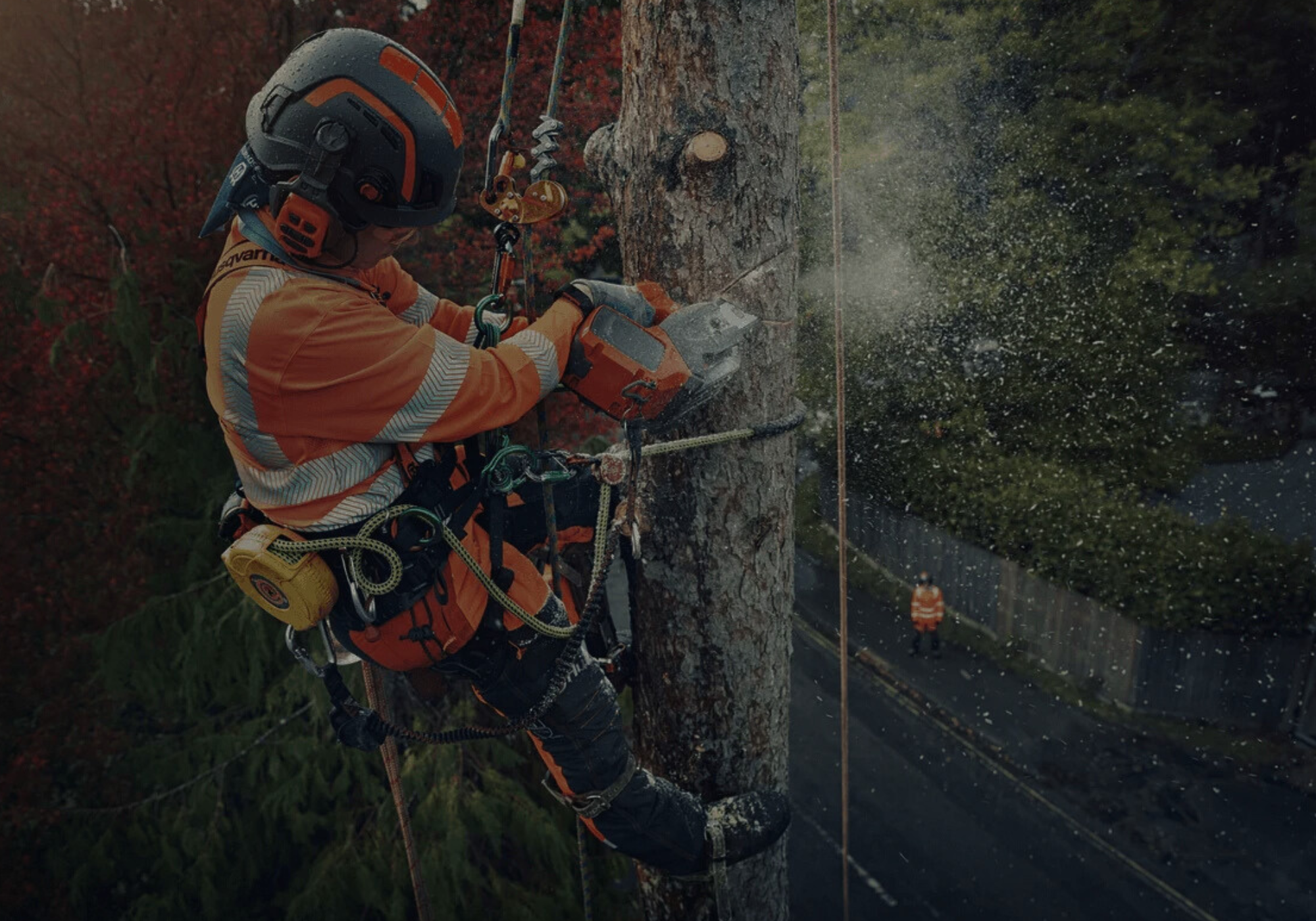
A certified arborist can evaluate the health of the tree, determine the safest removal method, and identify common risks related to branches, trunks, decay, and root systems.
However, arborists and structural engineers have different areas of expertise. An arborist evaluates the tree, while a structural engineer evaluates how the tree and its removal may affect nearby structures.
When Should You Consider Hiring a Structural Engineer?
An engineering assessment should be considered when the tree is close enough to affect a building or other structural element.
The Tree Is Close to Your Home
A mature tree located beside a house may have roots extending beneath or alongside the foundation. While roots do not always cause structural damage, they can influence nearby soil conditions or take advantage of existing cracks and weaknesses.
An engineer can examine the foundation and determine whether there are signs of settlement, displacement, cracking, or other movement that should be addressed before or after the tree is removed.
Roots Are Growing Near the Foundation
Visible roots near a foundation do not automatically mean the home is damaged. However, further investigation may be appropriate when roots appear to be:
- Growing beneath foundation walls
- Entering existing cracks
- Lifting concrete slabs
- Affecting basement walls
- Interfering with drainage systems
- Creating movement in nearby structures
A structural engineer can assess whether the observed issues are cosmetic, localized, or potentially structural.
The Tree Is Near a Retaining Wall
Tree roots can place pressure on retaining walls or grow through weak joints and drainage openings. In other cases, a root system may help stabilize the surrounding soil.
Removing a large tree near a retaining wall could change the way the soil behaves, particularly on sloped properties. An engineer may recommend inspecting the wall for leaning, cracking, bulging, drainage problems, or inadequate reinforcement.
The Property Is Located on a Slope
Tree removal on a steep or unstable slope may raise concerns about soil movement and erosion. Tree roots can help hold surface soil in place, although they should not be treated as a substitute for properly designed slope stabilization.
Where a large tree is being removed from an embankment or hillside, a structural or geotechnical engineer may be needed to evaluate:
- Slope stability
- Erosion risks
- Retaining requirements
- Drainage conditions
- Nearby foundations
- Soil replacement or stabilization needs
The appropriate professional will depend on the specific property and the nature of the concern.
There Are Existing Cracks or Signs of Movement
Before removing a tree, take note of any existing damage around the property.
Potential warning signs include:
- New or widening foundation cracks
- Cracks above doors and windows
- Uneven or sloping floors
- Doors or windows that no longer close properly
- Separation between walls and ceilings
- Cracked or lifted concrete
- Leaning retaining walls
- Gaps around exterior structures
These symptoms do not prove that the tree caused the problem. Many structural issues are related to drainage, soil settlement, construction methods, seasonal movement, or building age.
A structural engineer can assess the damage and help determine the likely cause.
Heavy Equipment Will Be Used Near the Structure
Large tree removal may require cranes, bucket trucks, loaders, stump grinders, or other heavy equipment. If this machinery will operate close to a foundation, suspended slab, septic system, retaining wall, or underground structure, its weight and positioning may need to be considered.
An engineer can help assess whether a surface or structure is capable of supporting the anticipated loads.
The Tree Has Already Damaged the Building
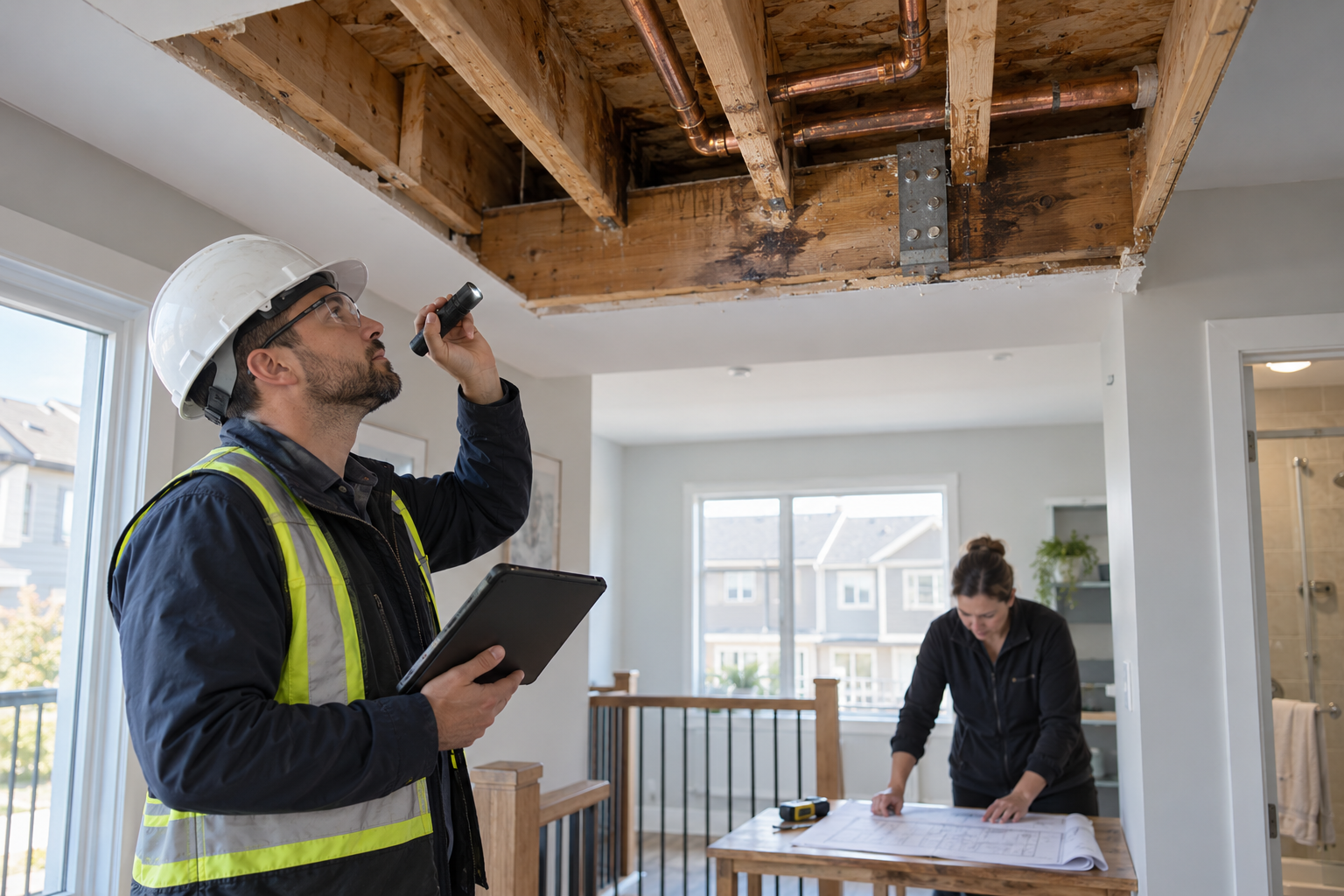
An engineering inspection is recommended when a falling tree, branch, or root system has already damaged part of the property.
Examples include damage to:
- Roof framing
- Exterior walls
- Foundations
- Decks
- Garages
- Retaining walls
- Porches
- Structural columns
- Concrete slabs
An engineer can document the damage, identify required repairs, and provide recommendations that may assist contractors, property owners, or insurance providers.
Can Tree Roots Damage a Foundation?
Tree roots can contribute to property damage, but the relationship between roots and foundations is often more complicated than it first appears.
Roots generally grow through soil that offers the least resistance. They may follow existing gaps, disturbed soil, utility trenches, drainage routes, or pre-existing cracks.
Potential root-related concerns include:
- Lifting shallow concrete slabs
- Displacing walkways or patios
- Entering damaged drainage pipes
- Growing near older masonry foundations
- Changing moisture levels in certain soil types
- Applying pressure to lightly constructed walls
In many cases, the root system is only one of several contributing factors. Soil type, foundation depth, drainage, construction quality, and seasonal moisture changes can all influence structural movement.
An engineer can help separate visible symptoms from the underlying cause.
Can Removing a Tree Cause Foundation Problems?
Removing a tree does not normally cause immediate foundation failure. However, changes in soil moisture and root decay can affect certain properties over time.
Large trees absorb water from the surrounding ground. Once a tree is removed, moisture levels in the soil may change. This can be more significant in expansive clay soils, which shrink when dry and swell when wet.
The root system will also gradually decay after removal. On some properties, this may leave small voids in the surrounding soil. Whether this creates a meaningful structural concern depends on the size of the tree, soil conditions, foundation design, and distance from the building.
A structural or geotechnical engineer can determine whether these conditions are relevant to your property.
Should the Stump and Roots Be Removed?
Stump grinding is common after tree removal, but removing every root is rarely practical or necessary.
The correct approach depends on what will happen with the area afterward. More extensive root removal may be needed when:
- A new foundation will be constructed
- A driveway or slab will be installed
- The area will be excavated
- Roots are interfering with underground services
- A retaining wall will be repaired or replaced
- The remaining root ball creates unstable ground
If construction is planned where the tree once stood, the soil may need to be excavated, replaced, and properly compacted. Building directly over loose soil, decaying organic material, or an old root system can contribute to settlement.
An engineer can provide recommendations based on the proposed construction.
Who Should You Contact First?
The correct starting point depends on the primary concern.
Contact an arborist or tree removal company when the main concern is:
- Tree health
- Falling branches
- Tree stability
- Safe removal
- Pruning
- Disease or decay
- Stump grinding
Contact a structural engineer when the main concern is:
- Foundation cracking
- Building movement
- Retaining wall damage
- Structural impact from tree removal
- Damage caused by a fallen tree
- Heavy equipment near a structure
- Construction planned near the root system
A geotechnical engineer may also be appropriate when the primary issue involves soil conditions, slope stability, erosion, or expansive clay.
In some cases, the arborist and engineer may need to coordinate their recommendations.
What Happens During a Structural Engineering Assessment?
The scope of an assessment will depend on the property and the reason for the inspection.
A structural engineer may:
- Review the tree’s location relative to nearby structures
- Inspect visible foundations, walls, slabs, and retaining systems
- Document existing cracks or movement
- Review drainage and grading conditions
- Evaluate planned equipment access
- Identify areas that require additional investigation
- Recommend monitoring, repairs, or protective measures
- Provide a written report or engineering drawings when required
The engineer may also recommend consulting an arborist, geotechnical engineer, contractor, utility provider, or municipal authority.
Do You Need a Permit to Remove a Large Tree?
Tree removal requirements vary by municipality. Some communities regulate the removal of large, protected, heritage, or environmentally significant trees.
Additional approvals may be required when:
- The tree is protected by a local bylaw
- The property is within an environmentally sensitive area
- The tree is near a watercourse or ravine
- The property is part of a condominium or strata
- The tree is located near a property line
- Removal requires road or sidewalk access
- Construction or excavation is planned afterward
Before starting work, confirm local requirements with the appropriate municipal department. A tree removal contractor may be familiar with local rules, but the property owner should verify that all required permissions are in place.
Plan the Removal Before Problems Occur
The safest approach is to assess potential risks before removing a large tree, especially when it is located close to a building or important site feature.
A pre-removal assessment can help identify existing damage, document current conditions, and determine whether special precautions are necessary. It may also prevent disputes about whether cracks or movement existed before the work began.
Not every tree removal project needs engineering involvement. However, when there are concerns about a foundation, retaining wall, slope, heavy equipment, or existing structural damage, consulting a structural engineer can provide clarity before work begins.
Speak With a Structural Engineer
Are you planning to remove a large tree near your home, foundation, retaining wall, garage, or other structure?
A structural engineer can inspect the surrounding property, identify potential concerns, and recommend the appropriate next steps. An assessment can help you move forward with the tree removal while protecting the safety and structural integrity of your property.
Contact our structural engineering team to discuss your property and determine whether an inspection is recommended.