Can Water Damage Cause Structural Damage to Your Home?
Can Water Damage Cause Structural Damage to Your Home?
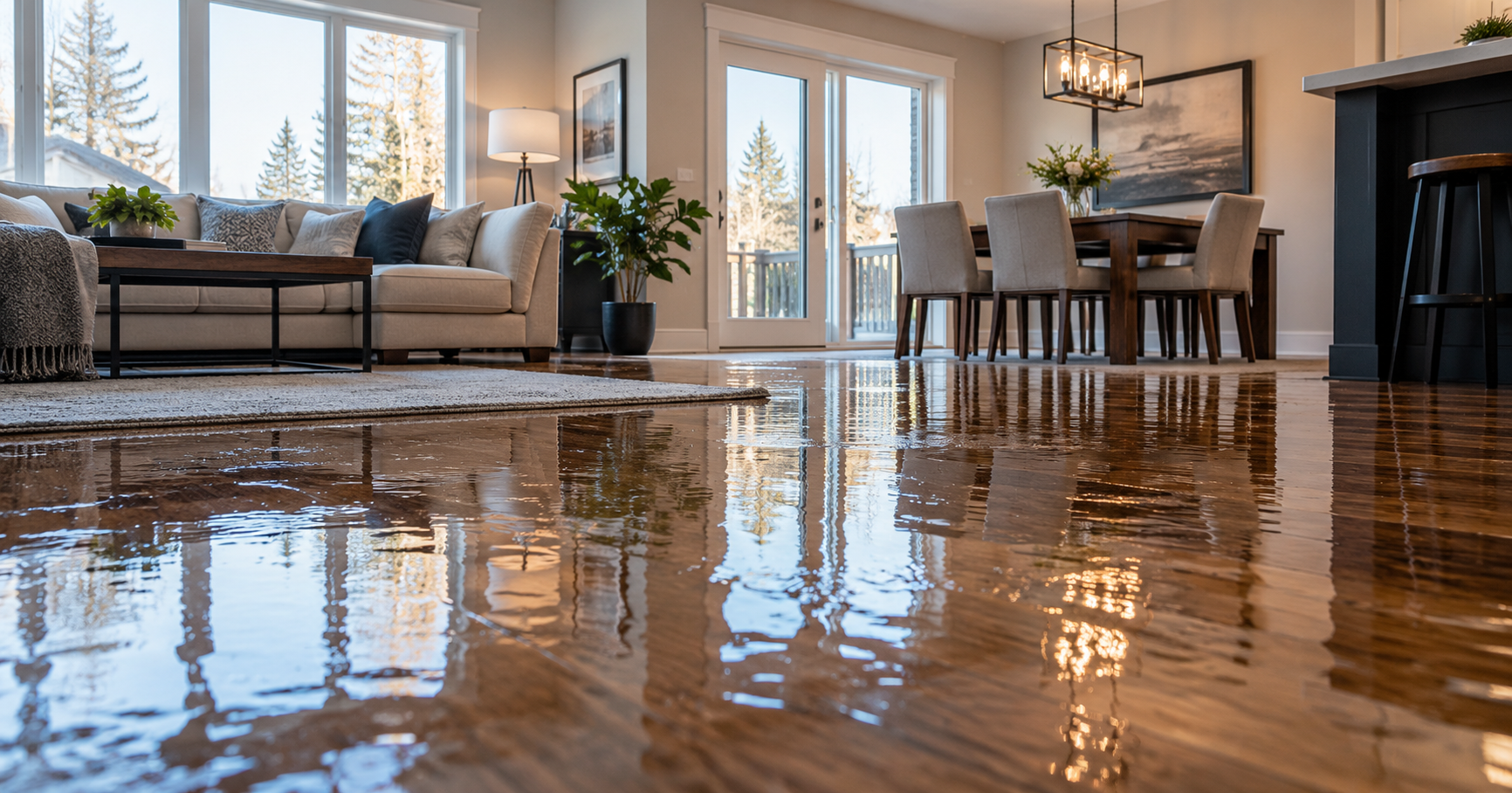
Water damage is one of the most common problems homeowners face, whether caused by burst pipes, leaking appliances, basement flooding, roof leaks, or groundwater intrusion. While the immediate effects often include damaged flooring, drywall, and personal belongings, water can also affect the structural components responsible for keeping a home safe and stable.
When moisture reaches floor joists, support beams, load-bearing walls, or foundations, it can contribute to deterioration and, in some circumstances, significant structural problems.
However, not every water damage incident compromises a home's structural integrity. The severity depends on the source of water, duration of exposure, affected materials, and existing condition of the building.
Understanding how water affects different structural components can help homeowners recognize warning signs and determine when a structural engineering inspection may be necessary.
How Does Water Damage Affect a Home's Structure?
A home's structural system consists of interconnected components that transfer loads safely to the ground. These typically include the foundation, load-bearing walls, floor joists, beams, columns, and roof framing.
Water can affect these components in several ways.
Wood deterioration: Prolonged moisture exposure can create conditions for fungal decay, gradually reducing the strength of structural framing.
Material deformation: Wood may swell, shrink, warp, or twist as its moisture content changes.
Corrosion: Moisture can contribute to corrosion of metal fasteners, structural connectors, and steel framing.
Foundation movement: Flooding, saturated soil, or erosion can affect foundation support and create additional pressure against basement walls.
Structural connection damage: Deterioration around connections can affect how loads transfer between beams, joists, columns, and other structural members.
The structural consequences vary significantly depending on the building materials and conditions involved.
7 Signs Water Damage May Have Affected Your Home's Structure
1. New or Worsening Foundation Cracks
Foundation cracks can develop for many reasons, including concrete shrinkage, soil settlement, and changes in ground moisture.
However, cracks that appear or worsen following significant flooding may indicate structural movement.
Horizontal foundation cracks, widening diagonal cracks, and cracking accompanied by wall displacement deserve particular attention.
A structural engineer can assess the cracking pattern and determine whether it represents a cosmetic issue or a structural concern.
2. Sagging or Uneven Floors
Floor joists and support beams distribute the weight of occupants, furniture, and other building components.
If prolonged water exposure causes structural framing to deteriorate, floors may begin sagging or feeling excessively flexible.
Warning signs include noticeable dips, increased bouncing, or changes in floor elevation.
These symptoms can also result from inadequate original construction or foundation movement, so professional assessment is important before deciding on repairs.
3. Bowing or Bulging Basement Walls
Excessive soil saturation can increase pressure against below-grade foundation walls.
In certain circumstances, this pressure may contribute to inward bowing, cracking, or displacement.
Bowing basement walls are particularly concerning when accompanied by horizontal cracking or progressive movement.
Significant wall deformation should be assessed by a structural engineer before repairs are attempted.
4. Deteriorated Floor Joists and Support Beams
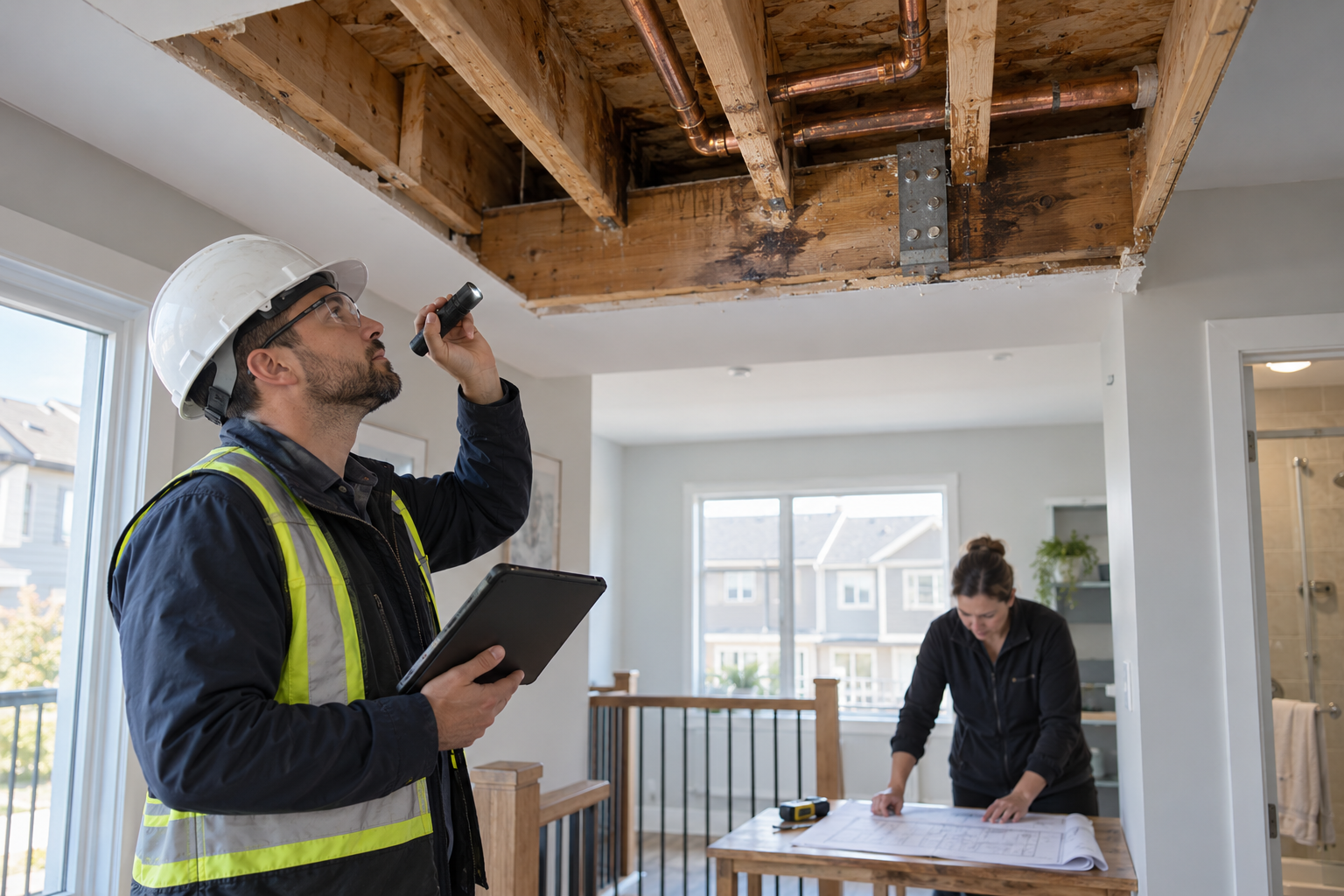
Water-damaged framing can develop visible signs of deterioration when exposed to moisture for extended periods.
Potential warning signs include softened or crumbling wood, substantial splitting, excessive deflection, and corrosion around structural connections.
Not every wet joist or beam needs replacement. Wood that remains structurally sound may be retained after appropriate drying.
However, framing with significant decay or deformation should be evaluated before reconstruction.
5. Doors and Windows That Suddenly Stick
Changes in the alignment of doors and windows may indicate building movement.
Following extensive water damage, foundation settlement or framing deformation can affect openings throughout a home.
Although wood swelling can also cause temporary sticking, persistent misalignment involving several openings may warrant further investigation.
6. Cracks in Interior Walls or Ceilings
New cracks in drywall or plaster can sometimes indicate structural movement.
Cracks near doors, windows, ceiling transitions, or wall intersections may be associated with settlement or framing displacement.
However, many interior cracks result from normal building movement or minor material changes.
An engineering assessment can help identify whether the cracking is related to a structural problem.
7. Damaged Structural Columns or Connections
Support columns, joist hangers, brackets, and other structural connections are essential parts of a building's load-carrying system.
Prolonged moisture exposure can contribute to corrosion, wood deterioration, and weakening of affected connections.
Columns that appear displaced, significantly corroded, or disconnected from beams should be assessed before structural alterations or repairs begin.
Can Water Damage Affect Your Home's Foundation?
Yes. Water can contribute to foundation problems, particularly when flooding affects surrounding soil or creates excessive pressure against basement walls.
When soil becomes saturated, changes in soil pressure and drainage conditions may increase the forces acting on a foundation.
Certain soil types also expand or contract with changes in moisture content, potentially contributing to foundation movement.
In severe flooding events, moving water may erode soil beneath or around footings, reducing foundation support.
Potential symptoms include foundation cracking, wall displacement, uneven floors, and changes in the alignment of doors or windows.
Concrete itself is generally durable when exposed to ordinary moisture. The more significant concern is often the effect of water on soil conditions, reinforcement, existing defects, and structural loads.
How Long Does Water Damage Take to Cause Structural Problems?
There is no universal timeline for structural water damage.
The effects depend on the materials involved, moisture conditions, temperature, and severity of exposure.
Some problems can develop immediately. For example, severe flooding may create substantial water pressure against basement walls or cause erosion around a foundation.
Other problems occur gradually.
Repeated plumbing leaks, persistent crawl space moisture, or long-term roof leaks can create conditions for fungal decay in wood framing.
Temporary wetting does not automatically mean that a structural member has lost its strength. Proper drying and evaluation may allow many affected materials to remain in place.
However, recurring moisture problems should be addressed before they contribute to more extensive deterioration.
Can Structural Water Damage Be Repaired?
Many forms of structural water damage can be repaired, but the appropriate solution depends on the extent of deterioration and affected components.
Possible repairs include:
- Reinforcing or replacing deteriorated floor joists
- Repairing damaged load-bearing beams
- Replacing corroded structural connections
- Stabilizing foundation walls
- Repairing damaged columns or framing
- Addressing foundation settlement where necessary
A structural engineer can assess the condition of the building and recommend repairs designed to restore the required structural capacity.
Importantly, the underlying water source must also be addressed.
Repairing structural components without correcting persistent leaks, drainage problems, or excessive moisture can allow deterioration to continue.
When Should You Call a Structural Engineer After Water Damage?
Not every water damage incident requires structural engineering services.
Minor leaks that are promptly addressed and limited to nonstructural materials typically do not require an engineering inspection.
However, homeowners should consider consulting a structural engineer when water damage involves:
- Significant foundation cracking or movement
- Sagging or unusually flexible floors
- Deteriorated floor joists or support beams
- Bowing basement walls
- Damaged load-bearing walls or columns
- Extensive flooding affecting structural components
- Structural repairs requiring engineered drawings or permit documentation
A structural engineer can evaluate affected components, identify potential safety concerns, and provide recommendations for repairs.
If severe structural damage is suspected, avoid entering the affected area until qualified professionals have assessed the conditions.
Structural Engineer vs. Water Damage Restoration Company
A water damage restoration company and a structural engineer provide different services that may both be necessary after a significant water damage incident.
Water damage restoration contractors typically perform emergency water extraction, moisture detection, drying, cleanup, and removal of damaged nonstructural materials.
Structural engineers evaluate the condition and load-carrying capacity of the building's structural components.
For example, a restoration contractor may discover deteriorated floor joists while removing damaged ceiling materials. A structural engineer can then evaluate the framing and specify necessary structural repairs.
Coordinating both services helps ensure that moisture problems are resolved and structural repairs are completed appropriately.
Frequently Asked Questions
Can a small water leak cause structural damage?
Yes, particularly when a small leak remains undetected for an extended period. Persistent moisture can contribute to wood decay, corrosion, and deterioration of structural connections.
Does water damage automatically weaken floor joists?
No. Temporary water exposure does not necessarily reduce the structural capacity of wood framing. The condition of the joists depends on exposure duration, moisture levels, and whether deterioration has occurred.
Can water damage cause a house to settle?
In certain circumstances, yes. Flooding, soil erosion, and changes in ground moisture can affect foundation support and contribute to movement or settlement.
Can a structural engineer identify water damage?
A structural engineer can identify visible structural deterioration and assess its implications. However, specialized moisture testing, leak detection, and environmental assessments may require other qualified professionals.
Does homeowners insurance cover structural water damage?
Coverage depends on the cause of water damage and the terms of the insurance policy. Sudden accidental water damage may be covered under some policies, while gradual leaks, flooding, or groundwater intrusion may require separate coverage or be excluded.
Schedule a Structural Inspection for Water Damage
Water damage can affect much more than a home's visible finishes. When moisture reaches foundations, floor joists, support beams, or load-bearing walls, it can contribute to structural deterioration and potentially serious safety concerns.
Fortunately, many affected structural components can be repaired or reinforced when problems are properly identified.
If your home has experienced significant flooding, prolonged water exposure, or visible signs of structural movement, a professional structural engineering assessment can help determine the extent of damage and identify appropriate repairs.
Contact our residential structural engineering team to schedule a structural inspection, evaluate potential water-related structural damage, and obtain professional recommendations for your home.